Top 3 UX Predictions for 2026
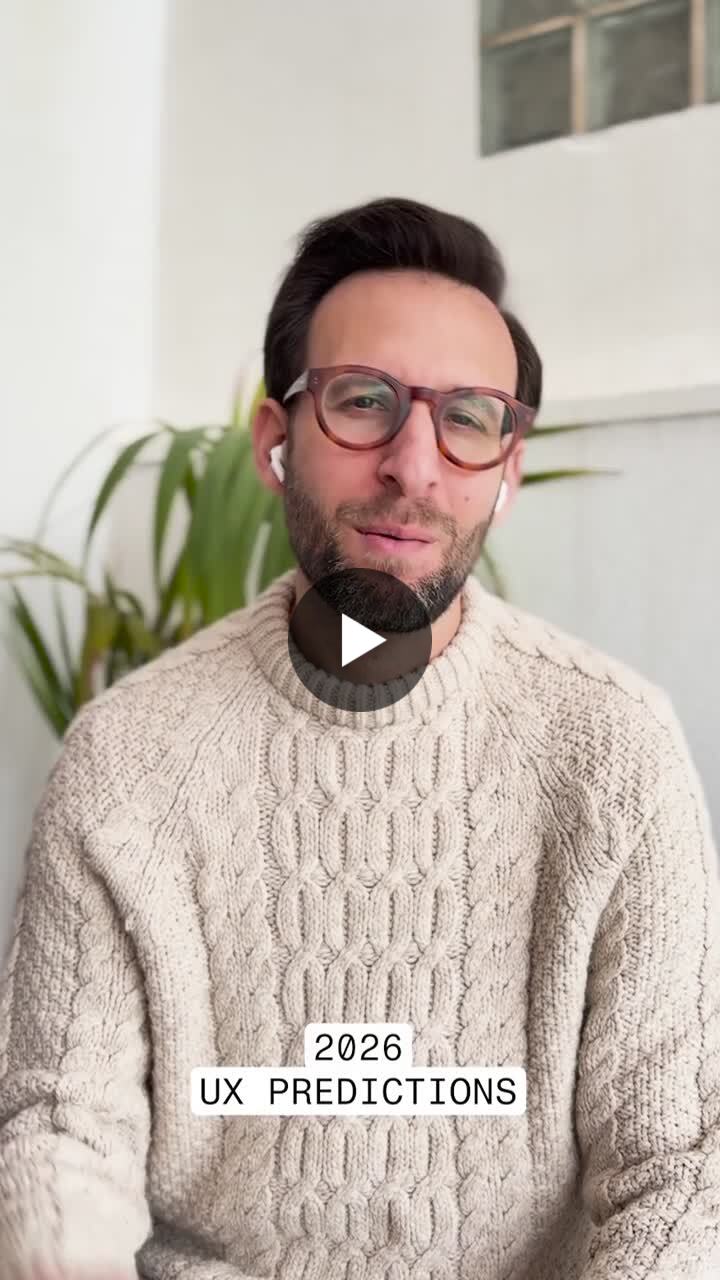
Top 3 UX Predictions for 2026 by Adam Perlis, CEO of Academy


The design world is changing fast, but the real story is not fear or decline. The real story is power shifting into the hands of builders who understand design, technology, and business as one connected system. Here is where things are heading.
1. The rise of the design founder
Last year was all about the design engineer. This year belongs to the design founder.
This is the full stack builder who can:
• design polished, human experiences
• write or direct real product code
• understand distribution, storytelling, and revenue
• operate a company, not just contribute to one
These people do not wait for permission. They do not need layers of approvals. They ship fast, test ideas live, and build companies around their ideas. They treat design as the engine of the entire business, not the finishing layer on top of it.
We will see more designers becoming founders because the tools now support it, the market rewards it, and the mindset is finally catching up.
2. Internal creative agencies will surge inside companies
More companies are building powerful internal creative teams, strengthened by AI and guided by strong creative leadership. These teams move faster, understand the business deeply, and improve quality while controlling cost.
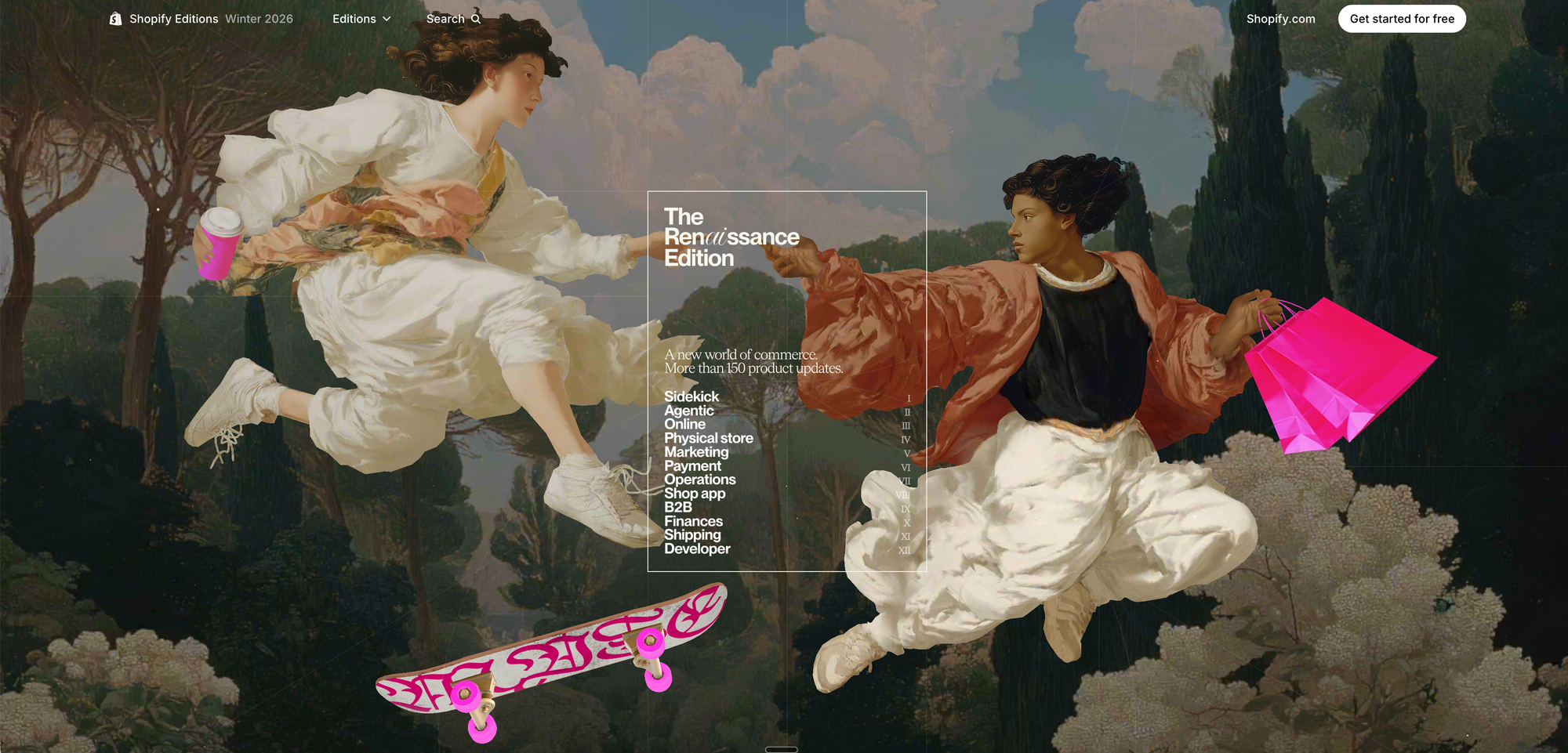
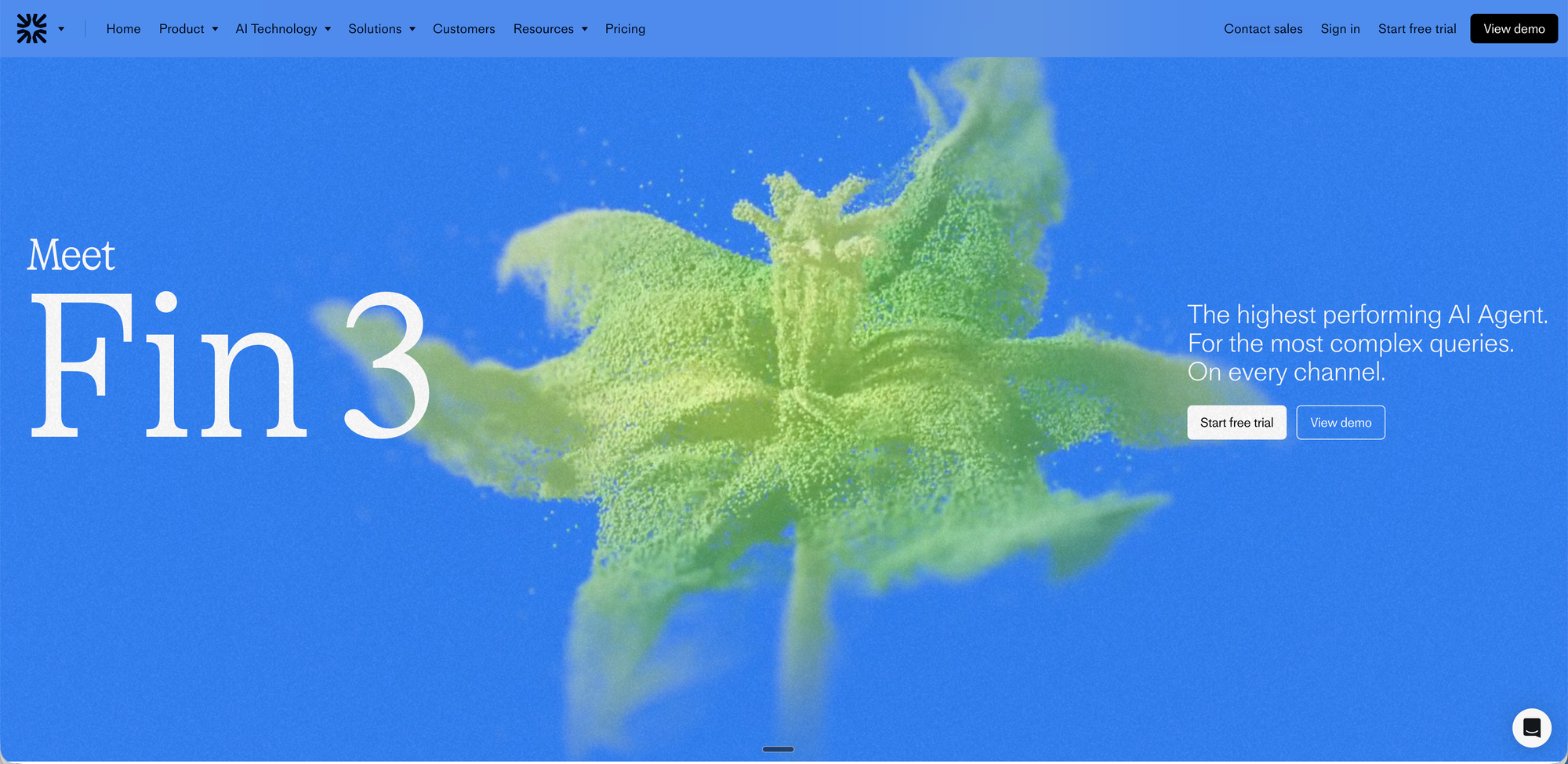
Look at Shopify (Winter Edition). Look at Intercom (Fin AI Model). These teams operate like elite agencies inside the organization, but with tighter alignment to product, data, and strategy. They ship more. They iterate more. They stay closer to the truth of the business.
This trend will expand across tech, consumer brands, SaaS, and media. It does not eliminate agencies. It simply raises the bar and pushes external partners to focus on highly specialized, complex, or breakthrough work.
3. A massive boom in design component libraries
Design is becoming more modular, more composable, and more technical.
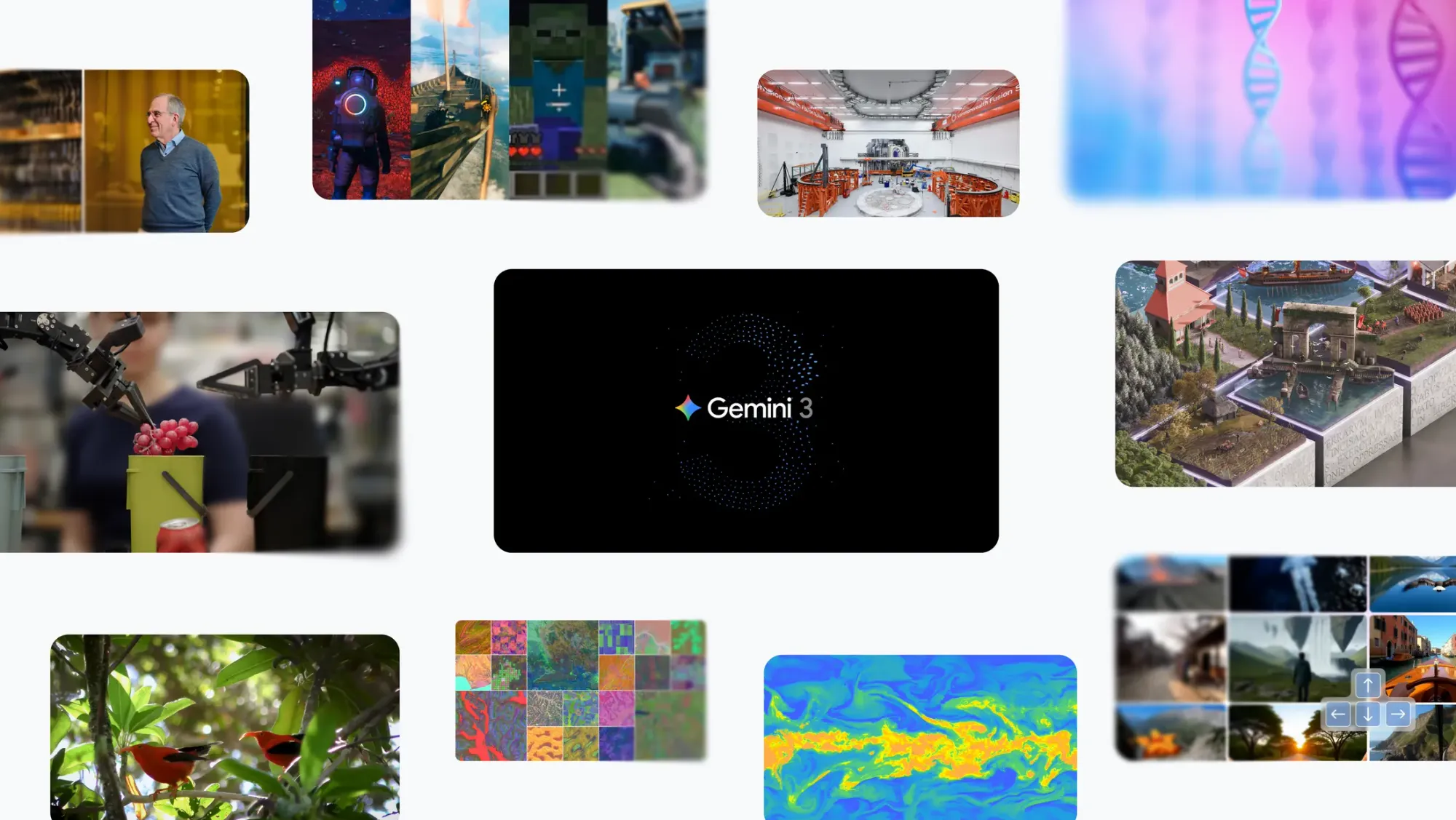
Component libraries like Radix and ShadCN are turning into launchpads. Cursor, Claude, Gemini, and ChatGPT are accelerating the build cycle. Visual tooling is getting smarter. The result is simple. More people can build serious products with far less friction.
Teams and individuals will:
• ship products faster
• align design and engineering more tightly
• focus more energy on differentiation instead of rebuilding basics
• customizing on top of these powerful prebuilt frameworks
Designers who understand systems, structure, and reusability will thrive in this environment. Craft still matters. Taste still matters. Judgment still matters. AI does not remove those. It amplifies them.
What this really means for designers
None of this signals the end of design or the end of tools like Figma. It simply means we will work differently.
Design becomes:
• more strategic
• more technical
• more entrepreneurial
Designers who lean into that will find more opportunity, not less.
If you agree, disagree, or think something even bigger is coming, add your perspective on the posts below...
My top 3 UX and Design predictions for 2026...
— Adam Perlis (@AdamPerlis) January 5, 2026
Design is not dying. It is evolving, and designers are more relevant than ever. pic.twitter.com/qKAW9n38cm
 View Profile